
by: Charisse de Guia
Tights? For sportswear? Groundbreaking. While there may be differences as to cut, color, or fabric, sportswear usually follows the same mold. However, whether you are watching the UAAP or NCAA, there is a glaring discrepancy in the uniforms noticeable in every game. While sports uniforms are supposed to be “uniform,” sporting events still harbor a massive gender divide deeply woven in the literal fabric of competition. Female athletes are frequently bound by strict regulatory mandates requiring tighter, more revealing attire than their male counterparts.
Beyond aesthetics, sports uniforms are meant to serve four critical functions: player identification, performance enhancement, safety, and competitive fairness.[1] They are specifically designed to handle the physical demands of the sports. More than that, they also help improve player confidence,[2] as the local saying goes, “if you can’t perform, japorms!”
But a look at UAAP Season 88 highlights that “japorms” look vastly different depending on gender. It shows a glaring double standards across some sports:
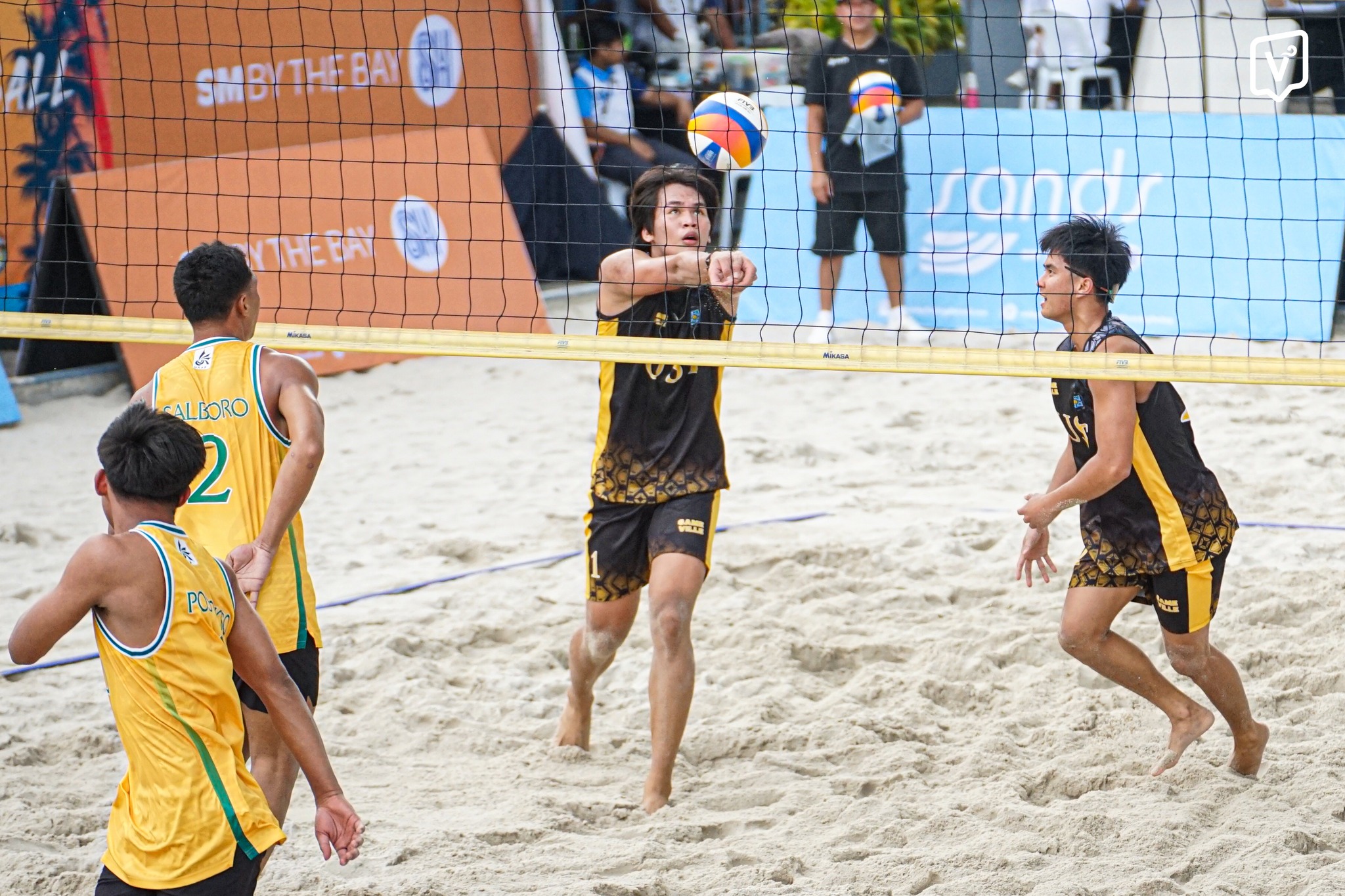
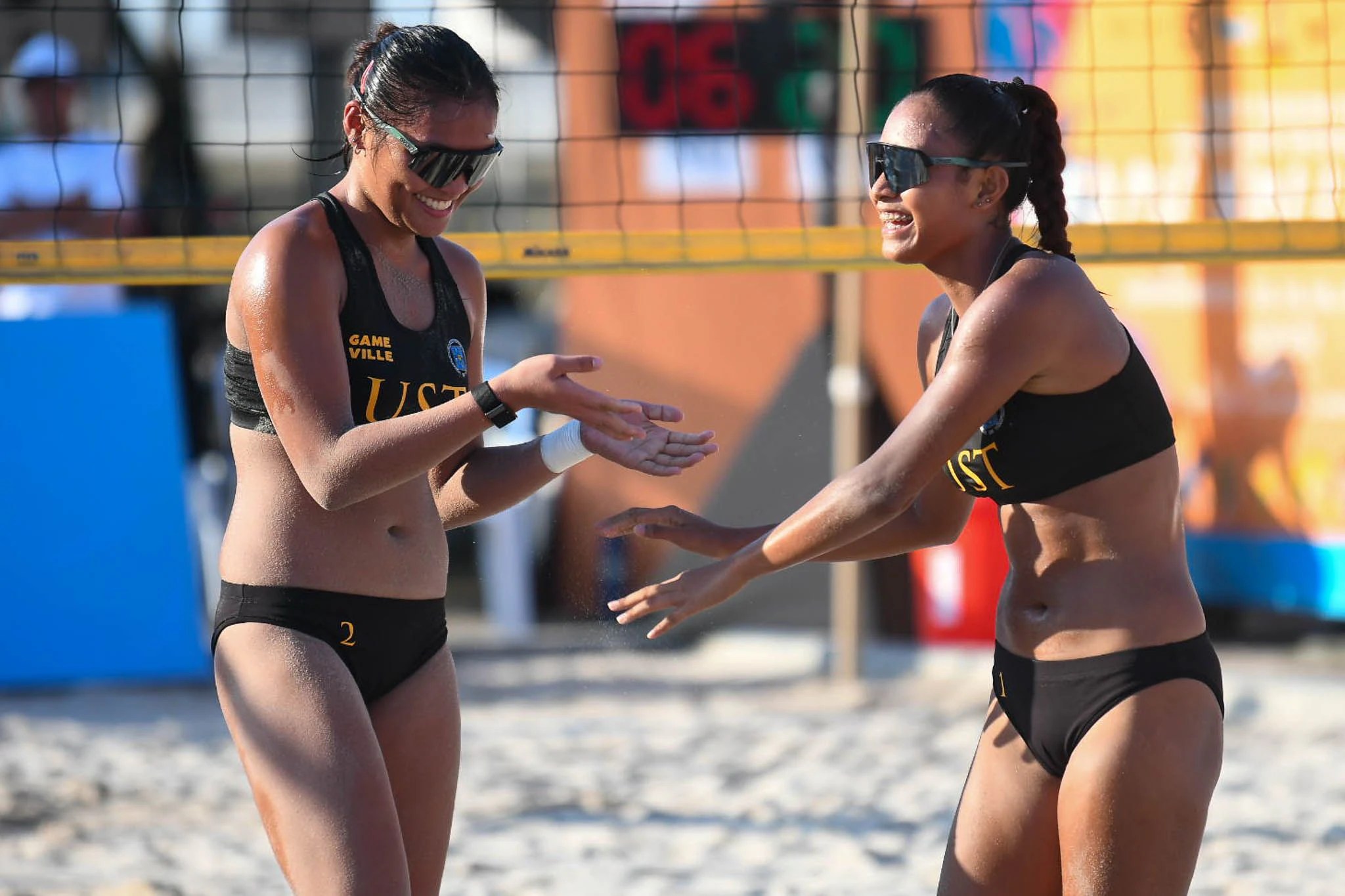
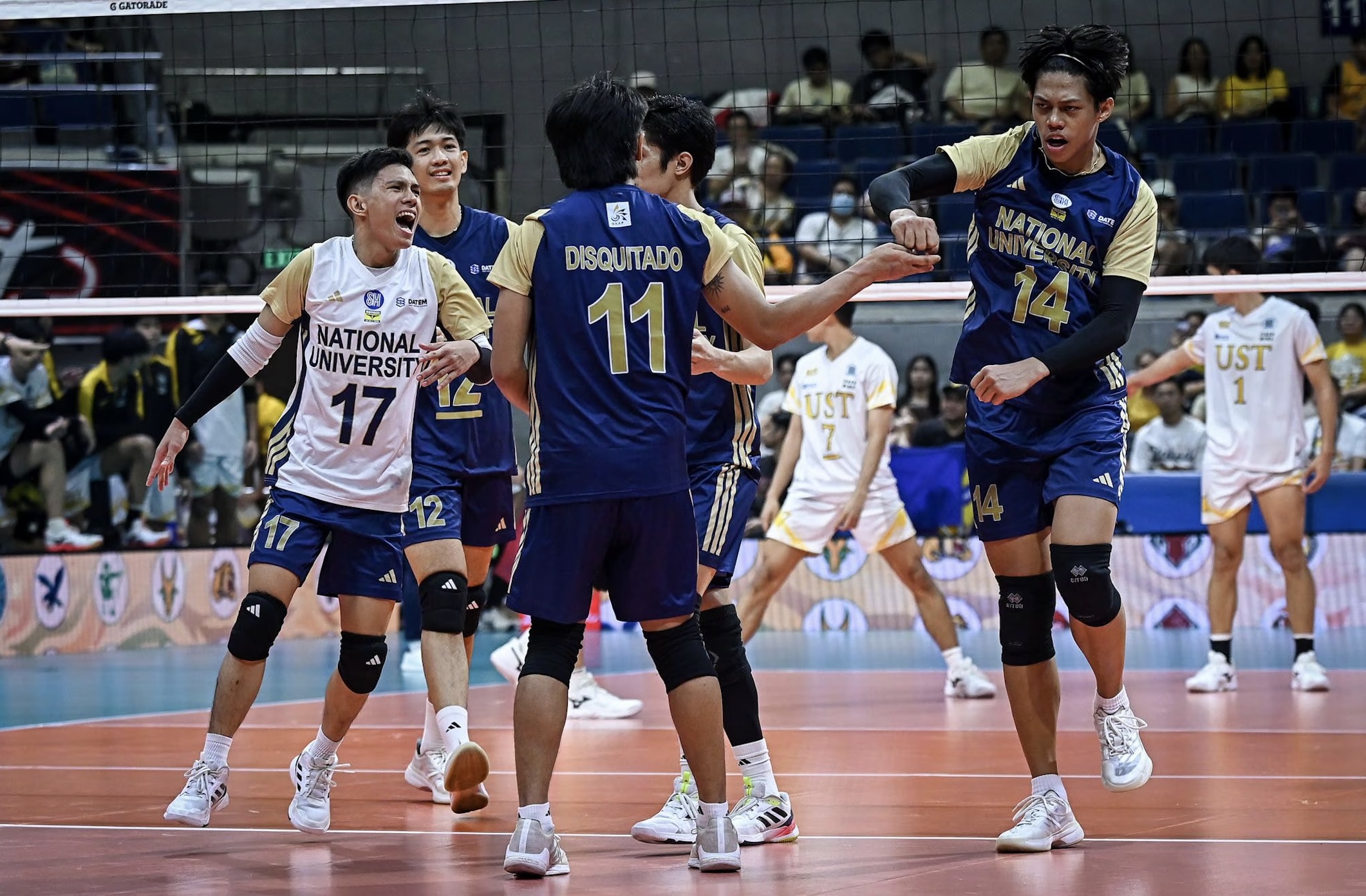
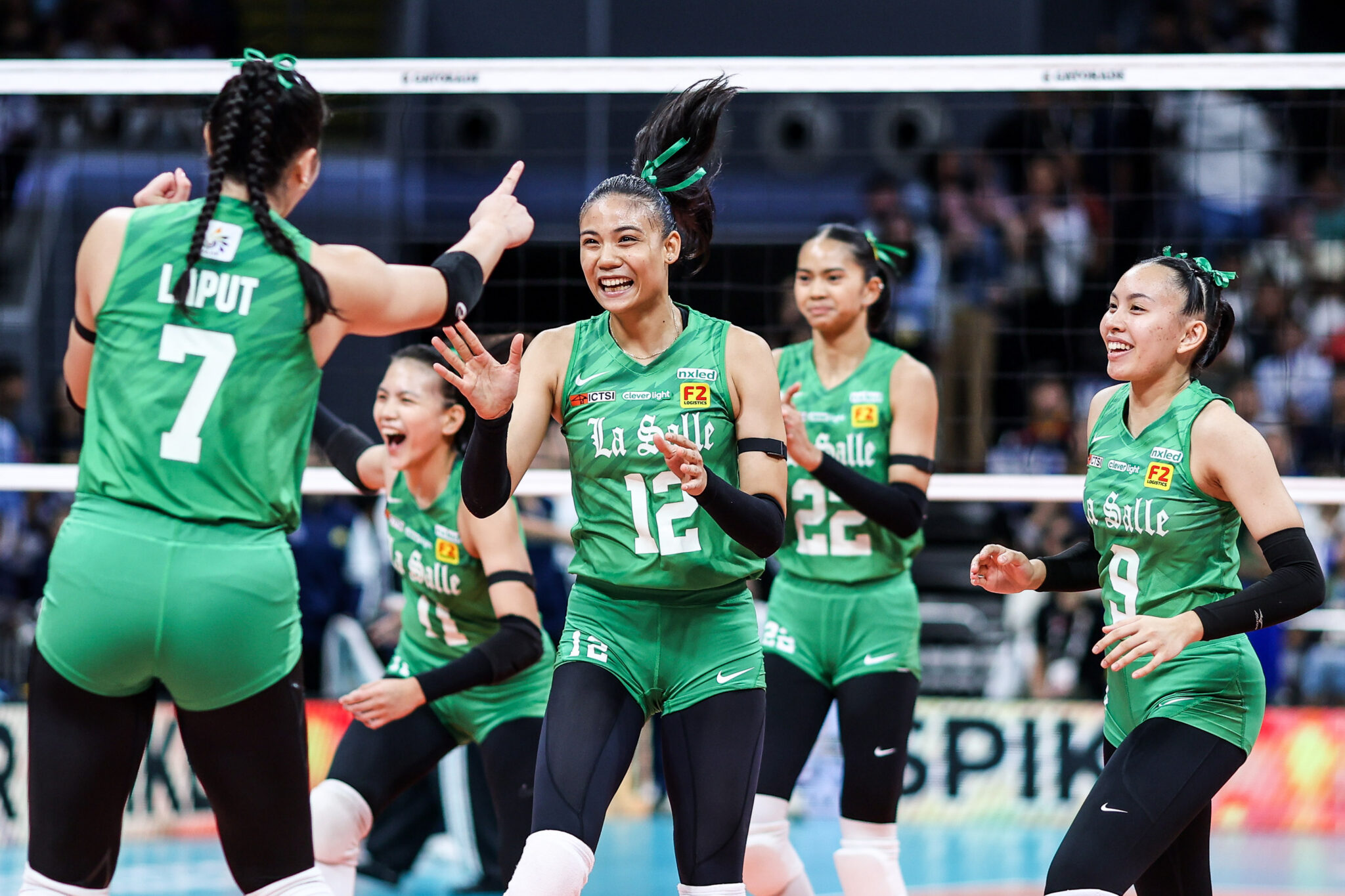
In Beach Volleyball, men compete comfortably in tank tops and board shorts, while women are essentially mandated to wear bikinis. In Volleyball, male athletes wear standard, relaxed-fit jerseys, whereas female athletes are assigned form-fitting tops and ultra-short shorts.
While defenders of these designs claim they are rooted in sports science – like reducing net touches or improving aerodynamics – the logic is applied unevenly. If wearing less fabric truly gives athletes a massive competitive edge, wouldn’t the men’s teams want skimpier gear too? The fact that they don’t proves that this is not about sports science; it is about the capitalization of the physical appeal of women and catering to the male gaze.

The core issue is clear: these gendered uniform requirements violate fundamental women’s rights and represent a systemic failure by sports institutions to provide a safe, dignified, and equitable environment. By prioritizing “watchability” and traditional gender norms over actual functionality, the system commodifies the female body at the expense of the athlete’s well-being.
A major roadblock is the massive gap between official rulebooks and actual on-court reality. While international governing bodies have recently updated their guidelines to be more gender-neutral (have a look, it really doesn’t require “bikini cuts” or “form-fitting clothes” anymore! #1stwin), these changes haven’t fully trickled down to Philippine collegiate courts.
Even when local regulations seem to loosen up, decades of sports culture and institutional pressure continue to enforce traditional, skimpy silhouettes. For the Atletang Pinay, “choice” is often just an illusion. Protesting an assigned uniform isn’t as simple as choosing a different outfit; it can lead to heavy sanctions, including fines, team point deductions, or outright game ineligibility. For example, the NCAA once forfeited a school’s win over a rule infraction since the athletes wore their dark colored jerseys instead of their assigned light ones.[7] These are consequences most student-athletes simply cannot afford to risk.
These disparities are not just a simple court issue – it can lead to the courtroom as they run afoul of established Philippine and international law.
The 1987 Constitution: These gendered uniform mandates violate the Equal Protection Clause, and are contrary to the guarantees of fundamental equality between men and women.[8]
CEDAW & The Magna Carta of Women: The stringent uniform requirements amount to discrimination since it undermines the exercise of women’s rights.[9] Both legal frameworks also dictate the removal of gender-based discrimination to ensure women can fully benefit from and participate in sports development.[10]
The Safe Spaces Act and the Student Athlete’s Protection Act: Tailoring uniforms to look intentionally “alluring” or “sexy” contributes to a hostile, humiliating environment, which is expressly prohibited by law.[11] This leaves athletes highly vulnerable to online objectification and harassment. SAPA also prohibits the commercialization of student-athletes and the flaunting of women’s bodies for commercial support or attention is exactly the kind of practice that the law aims to prevent.[12]
Forcing women into uncomfortable, revealing gear also triggers “habitual body-monitoring” which can lead to performance anxiety. Instead of staying locked in the game, the athlete’s focus is split by a constant awareness of how her body is being viewed and the nagging anxiety of preventing a wardrobe malfunction.
To illustrate this double standard, two unforgettable moments in Philippine collegiate sports history is instructive:
When the Ateneo Lady Spikers historically debuted a skintight one-piece uniform meant purely for efficiency, it sparked intense public debate and protests over “male perversion.”[13] Yet, when the UP Fighting Maroons men’s team accidentally wore extra-short shorts due to a manufacturing error, the internet simply laughed it off as a fun, “retro” fashion statement.[14] This asymmetry reinforces the harmful narrative that women’s sports are packaged primarily for public entertainment rather than athletic excellence. C’mon guys, it’s 2026! Women are not objects for viewing consumption!
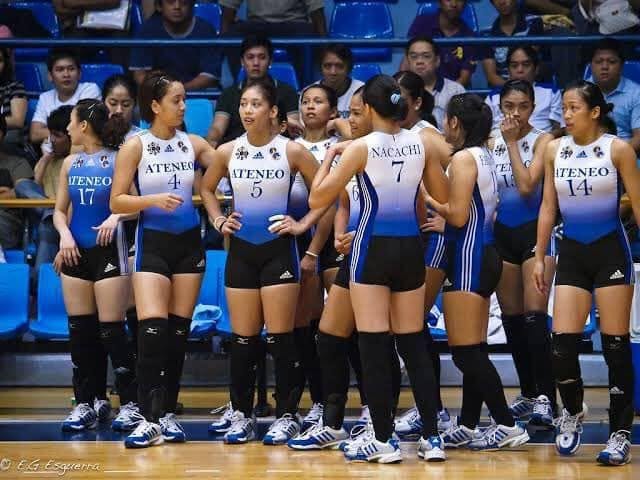
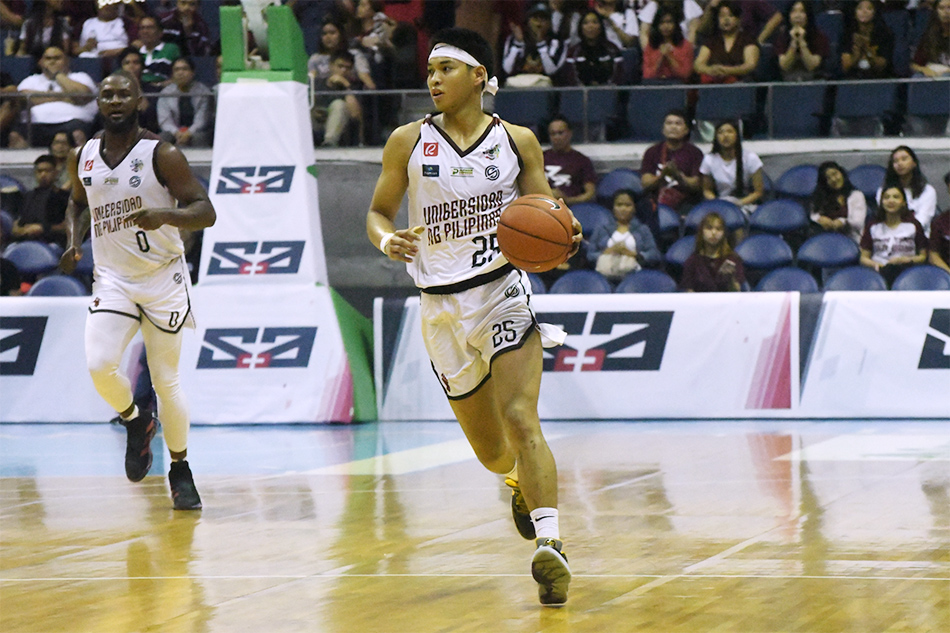
Be that as it may and as mentioned, the tides are slowly turning as international bodies have been reviewing the uniform requirements and enforcing change. However, to move toward genuine equality, the governance of Philippine collegiate sports needs a complete structural overhaul.
The truth is that governing bodies are mostly comprised of men. Placing more women in decision-making seats within athletic associations will help cultivate a gender-neutral regulatory framework that genuinely balances the needs of the sport with the comfort of the players.
The power of choice must also be institutionalized. True empowerment isn’t a one-size-fits-all jersey. Athletes must be given true agency to select uniforms whether they prefer more coverage or less, based entirely on what maximizes their personal comfort and on-court confidence.
Lastly, accountability must be enforced. Educational institutions and media companies must actively monitor and moderate the objectification of student-athletes, ensuring a “Safe Sport” environment free from harassment.
Ultimately, true gender equity in sports can only be achieved by abandoning these sexist, aesthetic-driven policies in favor of a progressive regulatory framework that prioritizes athlete welfare and the power of choice. Athletic uniforms must serve as a tool for competitive empowerment and personal dignity, allowing the modern #AtletangPinay to be judged solely on her skill and hard-earned achievements, rather than her visibility to the public eye.
Char De Guia is an Ateneo sports law student who treats Haikyuu!! as mandatory reading. When she’s not calling out sexist dress codes and absurd uniform requirements, she’s actively avoiding any situation where someone might throw a ball in her face.
[1] Centre for Sport & Human Rights, Annual Activity Report 2025: 2025 in Review and Looking Forward to 2026 (2026), https://www.sporthumanrights.org/media/kkkdxekh/cshr-annual-activity-report-2025.pdf.
[2] FittDesign, Designing for Men vs. Women: Key Differences in Sportswear, FittDesign: Blog, https://www.fittdesign.com/blog/designing-for-men-vs-women-key-differences-in-sportswear (last visited Jun. 15, 2026).
[3] Chloe Elysse Ibanez, Photograph, The UST Tiger Sands thump the FEU Tamaraws, FACEBOOK (Nov. 21, 2025), https://www.facebook.com/varsitarian/posts/the-ust-tiger-sands-thump-the-feu-tamaraws-21-10-21-18-to-open-their-uaap-season/1286042843564468/.
[4] UAAP Media, Photograph, UST’s Sofiah Pagara and Khy Progella in action against NU in the UAAP Season 88 women’s beach volleyball tournament, November 29, 2025 at the Sands SM By The Bay, ABS-CBN NEWS (Nov. 29, 2025), https://www.abs-cbn.com/sports/volleyball/2025/11/29/uaap-ust-women-sweep-elimination-round-of-beach-volleyball-1741.
[5] UAAP Media, Photograph, National University against University of Santo Tomans in UAAP Season 88, ABS-CBN NEWS (Apr. 25, 2026), https://www.abs-cbn.com/sports/volleyball/2026/4/25/uaap-nu-men-survive-ust-thriller-clinch-no-2-seed-1602.
[6] Marlo Cueto, Photograph, La Salle Lady Spikers celebrate a point vs NU Lady Bulldogs in the UAAP Season 88 women’s volleyball Finals Game 2, INQUIRER.NET (May 10, 2026, 5:21 AM), https://sports.inquirer.net/675850/la-salle-reclaims-uaap-volleyball-crown-with-season-to-remember.
[7] Reuben Terrado, Jersey Blunder Proves Costly as Perpetual Win Over Benilde Forfeited by NCAA, SPIN.ph (Jul 11, 2017), https://www.spin.ph/basketball/ncaa-men/jersey-blunder-proves-costly-as-perpetual-win-over-benilde-forfeited-by-ncaa.
[8] Const. (1987) art III § 1 & art II, § 14 (Phil.).
[9] Convention on the Elimination of All Forms of Discrimination Against Women, art. 1, Dec. 18, 1979, 1249 U.N.T.S. 13.
[10] Magna Carta of Women, Rep. Act No. 9710 § 14 (Aug. 14, 2009) (Phil.).
[11] Safe Spaces Act, Rep. Act No. 11313, § 4 (Apr. 17, 2019) (Phil.).
[12] Student-Athletes Protection Act, Rep. Act No. 10676, (Aug. 26, 2015) (Phil.).
[13] Jules Jurado, New Uniform Ups Lady Spikers’ Game, The Guidon (Feb. 11, 2010), https://theguidon.com/2010/02/new-uniform-ups-lady-spikers%E2%80%99-game/.
[14] Karl Cedrick Basco, UAAP: Going Retro? ‘Misjudgment’ on Length Caused UP Maroons to Wear Short Shorts, ABS-CBN News (Sept. 4, 2019), https://www.abs-cbn.com/sports/09/04/19/uaap-going-retro-misjudgment-on-length-caused-up-maroons-to-wear-short-shorts.
[15] Hella, Photograph, Kung naabutan niyo yung 1-piece jersey ng Ateneo dapat tatlo na anak mo chareeeng, FACEBOOK (Oct. 27, 2024), https://www.facebook.com/QUEENEAGLE2025/photos/kung-naabutan-niyo-yung-1-piece-jersey-ng-ateneo-dapat-tatlo-na-anak-mo-chareeen/1008561811283815/.
[16] Mark Demayo, Photograph, Ricci Rivero sporting short shorts during the UP Fighting Maroons’ game against FEU Tamaraws, ABS-CBN NEWS (Sept. 4, 2019), https://www.abs-cbn.com/sports/09/04/19/uaap-going-retro-misjudgment-on-length-caused-up-maroons-to-wear-short-shorts.

